
Best Roofing Materials 2026: 6 Options Ranked by Lifespan, Cost and Climate Fit
Compare six roofing materials by lifespan, installed cost and climate fit. See why asphalt shingles win on value and standing seam metal wins on longevity.
Read MoreWindow replacement costs $200–$1,200 per window installed in 2026, with most homeowners paying $300–$700 for standard double-pane. For a full house with 10–15 windows, budget $4,000–$12,000. This guide breaks down costs by window type, frame material, and what drives prices up.
Speak with a local expert today
Last updated: May 1, 2026 | Reviewed by the HomeSimple Editorial Team
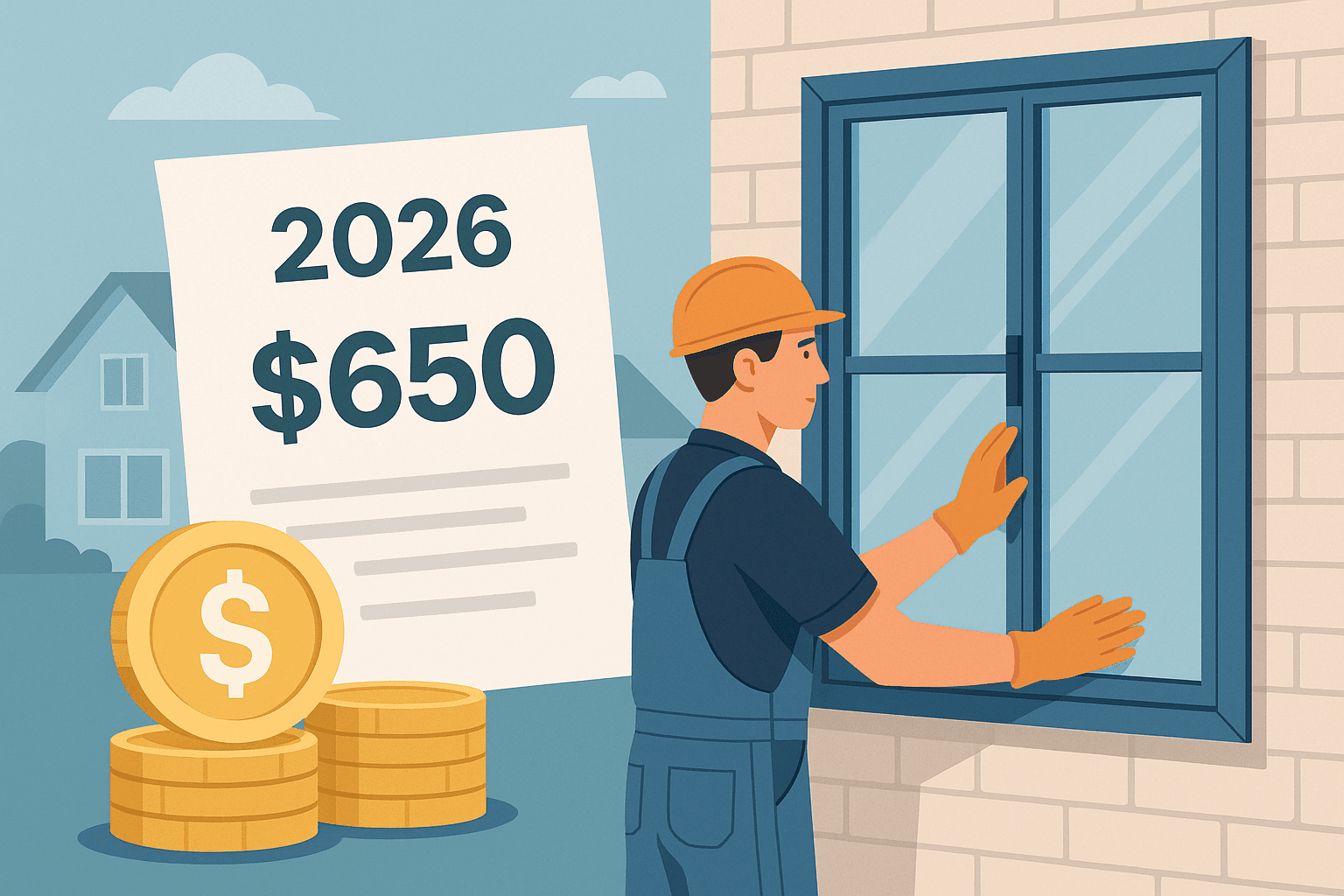
Window replacement costs $200–$1,200 per window installed in 2026, with most homeowners paying $300–$700 per window for a standard double-pane replacement. For a full house with 10–15 windows, budget $4,000–$12,000 total. Your final cost depends on window type, frame material, glass package, and local labor rates. This guide breaks down every cost factor with real pricing data so you know exactly what to budget before you call a contractor.
| Criterion | Weight | What We Measured |
|---|---|---|
| Energy efficiency (U-factor + SHGC) | 30% | ENERGY STAR certification, U-factor ≤ 0.30 |
| Cost vs. performance ratio | 30% | Installed price vs. 10-year energy savings |
| Warranty coverage | 20% | Frame, glass, and labor warranty terms |
| Durability and lifespan | 10% | Material longevity across climate zones |
| Customer satisfaction | 10% | BBB rating, verified contractor reviews |
Double-pane vinyl windows cost $250–$600 per window installed in 2026. They deliver the best balance of energy savings, durability, and affordability for most homeowners. ENERGY STAR-certified double-pane windows cut heating and cooling costs by 12–18% compared to single-pane glass — and require virtually zero maintenance over their 20–30 year lifespan.
Typical installed cost: $250–$600 per window
Energy savings vs. single-pane: 12–18% annually
Best brands: Simonton, Milgard, Harvey, Ply Gem
Pros:
Cons:
Who This Is Best For: Homeowners replacing multiple windows on a budget, rental property owners, and anyone prioritizing ROI over aesthetics.
Triple-pane windows cost $500–$1,200 per window installed in 2026. The extra glass pane and argon/krypton gas fill reduce heat transfer 20–30% more than double-pane. In very cold or very hot climates, the added insulation typically pays back within 10–15 years through lower energy bills.
Typical installed cost: $500–$1,200 per window
Energy savings vs. double-pane: 20–30% additional
Best brands: Andersen 400 Series, Pella Impervia, Marvin Essential
Pros:
Cons:
Who This Is Best For: Homeowners in climate zones 5–8 (upper Midwest, mountain states, northern New England). Not worth the premium in mild climates.
Fiberglass windows cost $500–$1,100 per window installed in 2026. They are 8x stronger than vinyl, won't warp or rot, and carry industry-leading warranties — 30–50 years on frames. Higher upfront cost, but the lowest total cost of ownership over 20+ years for most homeowners.
Typical installed cost: $500–$1,100 per window
Expected lifespan: 30–50 years
Best brands: Pella Impervia, Milgard Thermoseal, Marvin Elevate
Pros:
Cons:
Who This Is Best For: Long-term homeowners who want to install once and forget it. Excellent for coastal climates where salt air degrades vinyl faster.
Wood-frame windows cost $500–$1,400 per window installed in 2026. They offer unmatched visual appeal and are the standard in historic and luxury homes. The trade-off: wood requires painting or staining every 3–5 years and is vulnerable to rot in humid climates without consistent upkeep.
Typical installed cost: $500–$1,400 per window
Maintenance cost: $50–$150 per window every 3–5 years
Best brands: Andersen, Pella, Marvin Integrity
Pros:
Cons:
Who This Is Best For: Historic home owners, luxury remodels, and homeowners preparing to sell who want maximum curb appeal.
Casement windows cost $300–$800 per window installed in 2026. Their crank-operated sash creates a tighter seal than double-hung windows — improving energy efficiency by an additional 10–15% — and the entire sash opens for maximum airflow. Ideal for kitchens, bathrooms, and hard-to-reach locations.
Typical installed cost: $300–$800 per window
Best brands: Andersen 400, Pella Designer Series, Simonton Asure
Pros:
Cons:
Who This Is Best For: Anyone prioritizing ventilation and energy efficiency — especially kitchens and bathrooms in warmer climates.
Bay windows cost $1,500–$4,500 installed in 2026; bow windows run $2,500–$6,000 due to the larger frame and structural work required. Both deliver dramatic increases in natural light and perceived room size. NAR data shows bay windows add $5,000–$15,000 in perceived resale value in most markets.
Typical installed cost: $1,500–$6,000 per unit
Resale value added: $5,000–$15,000 (NAR estimate)
Best brands: Andersen, Pella, Marvin
Pros:
Cons:
Who This Is Best For: Homeowners with a living room or master bedroom that needs a focal point, or pre-sale renovations where curb appeal ROI is the priority.
| Window Type | Installed Cost Per Window | Energy Savings vs. Single-Pane | Typical Warranty | Lifespan |
|---|---|---|---|---|
| Double-Pane Vinyl | $250–$600 | 12–18% | 20 years | 20–30 years |
| Triple-Pane | $500–$1,200 | 25–35% | 20–30 years | 25–40 years |
| Fiberglass | $500–$1,100 | 20–30% | 30–50 years | 30–50 years |
| Wood Frame | $500–$1,400 | 15–20% | 10–20 years | 20–30 years |
| Casement | $300–$800 | 10–15% vs. double-hung | 20 years | 20–30 years |
| Bay/Bow | $1,500–$6,000 | 12–20% | 20 years | 20–30 years |
Several factors push installation prices above typical ranges:
For a broader look at where homes lose the most energy, our home energy audit guide covers the 8 hidden drains costing homeowners $2,000+ annually — windows often aren't the top culprit.
Before signing any contract, verify these four things:
Get at least 3 written quotes. Price variance between contractors can be 20–40% for identical work. Our contractor vetting checklist covers 9 red flags that separate professional installers from risky operators.
If you're doing a broader renovation, see our kitchen remodel cost guide and bathroom renovation cost guide — both use the same real-cost approach.
HomeSimple researched window replacement costs using data from the National Association of Home Builders (NAHB), 2026 contractor pricing surveys from HomeAdvisor and Angi, U.S. Department of Energy energy savings modeling, and manufacturer specifications for ENERGY STAR performance ratings. Cost ranges reflect installed pricing across 50+ U.S. markets. Local costs may vary ±20% based on labor market conditions. All sources verified April 2026.
How much does it cost to replace all windows in a house?
A full house replacement with 10–15 double-pane vinyl windows runs $4,000–$12,000 installed. Larger homes or premium materials (wood, fiberglass, triple-pane) push totals to $15,000–$25,000+.
Is it cheaper to repair or replace windows?
If the glass is broken but the frame is structurally sound, repair ($150–$400) usually beats full replacement. If the frame is rotted or the thermal seal has permanently failed, replacement delivers better value over a 5-year horizon.
Do new windows increase home value?
Yes. The 2026 Remodeling Cost vs. Value Report (Zonda) shows vinyl window replacement recoups 68–74% of project cost at resale. In energy-conscious markets, new windows are a strong buyer differentiator.
How long do replacement windows last?
Vinyl: 20–30 years. Fiberglass: 30–50 years. Wood (properly maintained): 20–30 years. Most manufacturers offer limited lifetime warranties on frames.
Are window replacement costs tax deductible?
ENERGY STAR-certified windows may qualify for the federal Energy Efficient Home Improvement Credit (25C) — up to $600 per year for windows and skylights combined. Consult a tax professional to confirm eligibility.
What is the difference between insert and full-frame replacement?
Insert replacement drops a new window into the existing frame — faster and $50–$150 less per window — but leaves the existing frame and trim. Full-frame replacement removes everything to the rough opening. Full-frame is required when frames are rotted or structurally compromised.
Do I need a permit for window replacement?
Most municipalities require a permit for full-frame replacements. Insert replacements in the same opening often don't require a permit. Always check with your local building department before starting.
How do I know if my windows need replacing?
Key signs: condensation between panes (failed seal), drafts when windows are fully closed, difficulty opening or closing, visible rot or warping in the frame, or rising energy bills without another explanation.
What is the best window brand in 2026?
Andersen and Pella consistently rate highest for quality and warranty support. Simonton and Harvey lead the value segment. Milgard dominates in the western U.S. Brand matters less than certified installation — a premium window installed incorrectly will underperform.
Should I replace windows before selling my home?
Replace only if windows are visibly deteriorated — foggy glass, rotted frames, or obvious drafts will be flagged in buyer inspections. Functional windows rarely deliver strong pre-sale ROI compared to kitchen and bathroom updates.
Disclaimer: Window replacement costs vary significantly based on geography, contractor pricing, and material availability. Cost ranges in this guide reflect national averages from Q1 2026 contractor surveys and are for budgeting purposes only — not binding estimates. Always obtain multiple written quotes from licensed, insured contractors. Energy savings estimates are based on DOE modeling and vary by home construction, climate zone, and insulation. Federal tax credit information reflects current law as of May 2026 and is subject to change — consult a tax professional.
Last updated: May 1, 2026. HomeSimple reviews cost guides quarterly using current contractor survey data.
Reviewed by the HomeSimple Editorial Team — editors with combined experience in home improvement contracting, real estate, and consumer finance.
Compare six roofing materials by lifespan, installed cost and climate fit. See why asphalt shingles win on value and standing seam metal wins on longevity.
Read MoreCompare 8 types of roof repair providers for 2026, from manufacturer-certified contractors to local roofers, with costs, warranties and vetting tips.
Read MoreA roof inspection can cost nothing or several hundred dollars, and the difference is who is paying attention to what. We ranked eight options — independent certified inspectors, drone and aerial reports, contractor visits, and municipal programs — on independence, depth, documentation, and cost.
Read More