
Rodent Removal Services in Dallas
If you’re hearing scratching in your walls or finding droppings in your Dallas kitchen, you’re likely dealing with rats or mice, and the solution requires a professional, multi-step approach. In Dalla...
Need Help? Call Now for Free Estimate
Speak with a local expert today
If you’re hearing scratching in your walls or finding droppings in your Dallas kitchen, you’re likely dealing with rats or mice, and the solution requires a professional, multi-step approach. In Dallas, common rodents include roof rats, Norway rats, and house mice, all drawn to our urban environment and seasonal shifts. Effective rodent removal here isn’t just about setting a trap; it involves a thorough inspection, strategic exclusion to seal entry points, population control, and ongoing monitoring to prevent reinfestation. The process is tailored to Dallas homes, accounting for our specific architecture, climate, and common rodent behaviors. A professional service will provide a clear plan and transparent pricing after a detailed assessment of your unique situation.
Understanding Dallas’s Rodent Problem: More Than Just a Nuisance
Rodents in Dallas aren’t merely a creepy inconvenience; they are a persistent threat to your home’s structure and your family’s health. The city’s rapid growth, sprawling infrastructure, and climate create an ideal habitat. Our hot summers push rodents to seek cooler, damp spaces inside foundations and attics, while mild winters rarely provide a killing frost to reduce populations. Construction in areas like Uptown, Lakewood, or the Bishop Arts District can displace established rodent colonies, sending them scurrying into neighboring homes in search of new shelter.
The most common culprits are roof rats, agile climbers often found in attics and upper cabinets; Norway rats, larger burrowers that target crawl spaces and foundations; and the ubiquitous house mouse, capable of squeezing through a hole the size of a dime. The damage they cause is multifaceted. They gnaw incessantly on electrical wiring, creating a significant fire hazard—a particular concern in older Dallas neighborhoods like Winnetka Heights or M Streets with vintage home construction. They contaminate insulation and ductwork with droppings and urine, which can harbor pathogens like salmonella and hantavirus. Moreover, their constant chewing and nesting can compromise the integrity of drywall, wood, and even PVC plumbing.
The Professional Rodent Removal Process: A Dallas-Centric Approach
When a reputable local company responds to your call, they follow a methodical process grounded in Integrated Pest Management (IPM) principles. This isn’t a one-time spray; it’s a strategic campaign.
Step 1: The Thorough Inspection and Diagnosis
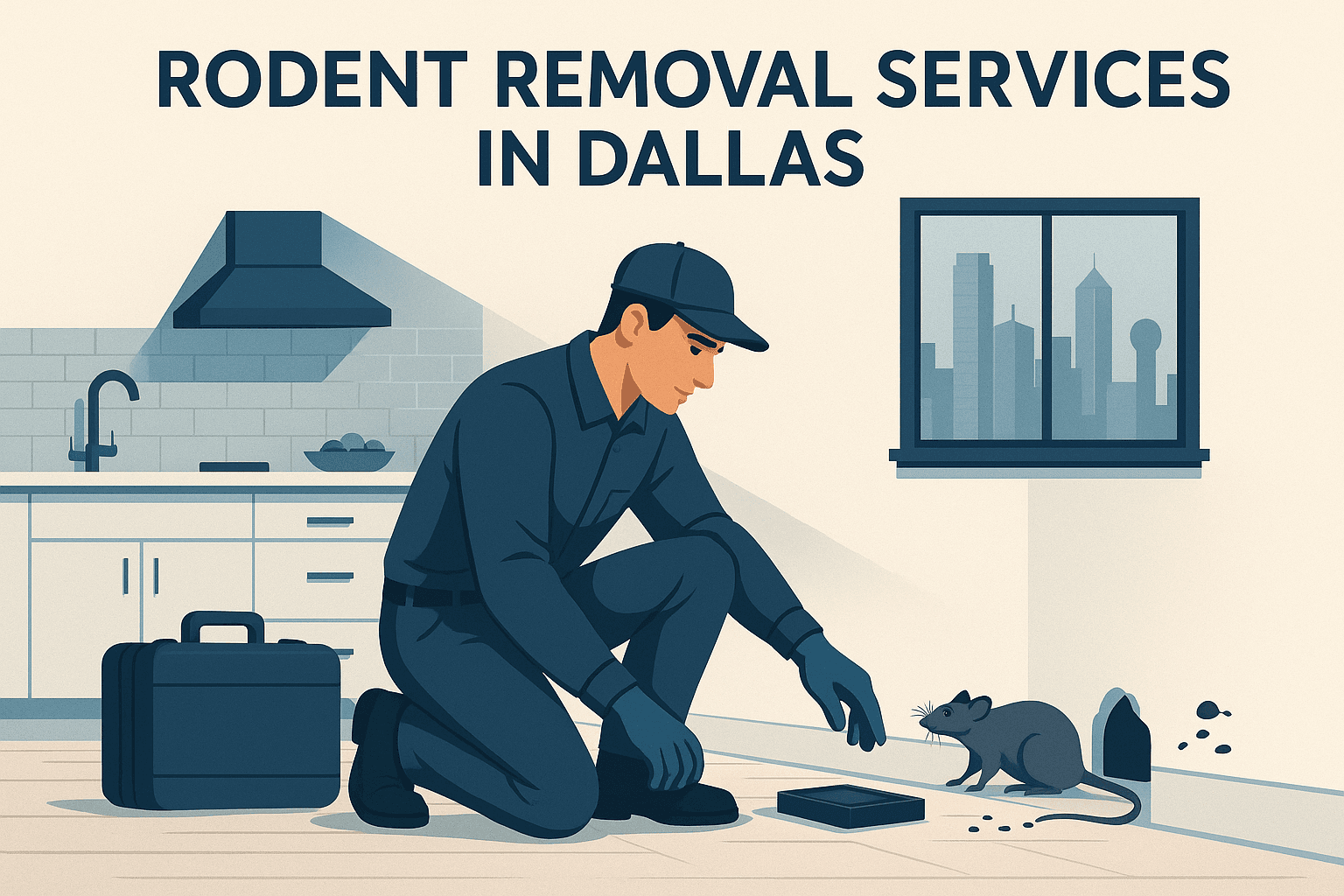
The technician starts with a detective’s eye, both inside and out. They’ll look for the telltale signs: rub marks along baseboards (greasy smudges from rodent fur), gnaw marks, droppings, and nesting materials in insulation. Externally, they inspect your home’s perimeter, focusing on areas where utilities enter, gaps in siding, roofline intersections, and foundation cracks. In Dallas, special attention is paid to attic vents, roof soffits, and the gaps around air conditioning line sets, as these are common highways for roof rats. The goal is to identify the species, estimate the population size, and map all potential entry points.
Step 2: Exclusion: The Critical "Rodent-Proofing" Step
This is the most crucial and often overlooked part of permanent removal. Trapping removes the current invaders, but exclusion prevents the next family from moving in. A professional will seal the identified entry points with durable materials like copper mesh, heavy-gauge steel wool, and concrete patch or hardware cloth. For Dallas homes, this might involve sealing gaps in decorative stone veneer, repairing torn screens on ridge vents, or installing rodent-proof barriers around crawl space accesses. This step addresses the root cause, transforming your home from a welcoming hostel into a fortified castle.
Step 3: Population Control and Removal
With entry points sealed, the focus turns to the rodents inside. Professionals use a combination of tactical trap placement and, when necessary and applied with extreme caution in secured locations, rodenticides. The strategy depends on the infestation. For a family of mice in a kitchen, a series of strategically placed snap traps might be the solution. For a larger rat population in an attic, secure bait stations placed in out-of-reach locations along runways may be employed. The key is a targeted approach that prioritizes safety for pets and non-target animals.
Step 4: Cleanup, Sanitation, and Monitoring
Removing rodents is only part of the job. Professionals can provide cleanup services for contaminated areas, removing droppings and nesting materials and applying disinfectants to mitigate health risks—a vital service for attics or crawl spaces. Finally, they’ll establish a monitoring protocol, often with follow-up visits to check traps and ensure no new activity is present, giving you peace of mind that the problem is truly resolved.
What Happens When You Call a Dallas Rodent Removal Service
You pick up the phone and call a local, licensed professional. What comes next is a straightforward, consultative process designed to solve your problem, not pressure you.
First, the person who answers will listen carefully to your description of the problem—the sounds you hear, the signs you’ve seen, and your concerns. They’ll ask a few key questions about the age of your home, if you have pets, and how long you’ve noticed the issue. This isn’t an interrogation; it’s to ensure they send the right technician with the proper tools.
Next, they’ll schedule a convenient time for a thorough inspection. A certified technician will arrive, provide identification, and conduct the comprehensive assessment described above. They will then walk you through their findings, showing you evidence if possible (like photos of entry points from their inspection camera). You’ll receive a detailed, written proposal outlining the recommended steps: inspection, exclusion work, removal strategy, cleanup options, and any follow-up monitoring. This proposal will include a clear price quote for the complete plan.
Crucially, a trustworthy company will never give a firm price over the phone for rodent work, as the scope is impossible to determine without seeing the property. They should, however, be able to provide a general range for common scenarios based on the size of your home and the suspected infestation level, always with the caveat that the final quote is based on the inspection. You’ll have time to review the plan, ask questions, and decide without high-pressure tactics. If you approve, they’ll schedule the work to begin solving your problem.
What to Expect: Service Realities and Pricing in Dallas
When considering rodent removal in Dallas, it’s helpful to understand the landscape of service and cost. A complete professional rodent removal program is an investment in your home’s protection. Pricing is not a flat fee; it is project-based and varies significantly depending on the square footage of your home, the severity of the infestation, and the amount of exclusion work needed.
For a standard single-family home in Dallas, you might encounter a general range that covers inspection, a basic set of exclusion repairs, initial trapping/baiting, and a follow-up visit. However, this is a rough estimate. The final cost could be lower for a minor, early-stage mouse issue in a condo, or higher for a severe roof rat infestation in a large, older two-story home requiring extensive attic cleanup and complex roof-line sealing. Reputable companies are transparent about this, building their quotes on the specific labor and materials your unique situation demands. Always ensure the company is licensed by the Texas Department of Agriculture and carries full liability insurance—this protects you and is a mark of a legitimate professional.
Why Dallas Homes Are Vulnerable and How to Partner for Prevention
Our local environment plays a leading role. The dense tree canopy in neighborhoods like Highland Park or University Park provides perfect aerial pathways for roof rats. The network of creeks and drainage systems throughout the city, from White Rock Creek to the Trinity River corridors, provides water and habitat for Norway rats. Furthermore, the typical Dallas architectural features—brick exteriors with inevitable settling gaps, ornamental soffits, and expansive attics—create countless harborage points.
After professional service, you become a partner in prevention. Simple habits make a big difference: store pet food and birdseed in sealed metal containers, manage compost piles carefully, trim tree limbs back at least six feet from your roofline, and eliminate standing water. Keep your garage tidy and ensure exterior doors have tight-fitting sweeps. By removing the attractants of food, water, and shelter, you make your property far less appealing.
Dealing with rodents in your Dallas home can feel overwhelming, but it is a solvable problem. The solution lies in moving beyond temporary fixes and embracing a strategic, professional approach that understands the specifics of our city. It’s about restoring the safety and sanctity of your home through expert exclusion, controlled removal, and informed prevention. By choosing a knowledgeable local professional, you’re not just getting rid of pests; you’re investing in long-term peace of mind for your North Texas home.
If you’re hearing unwanted guests in your Dallas home, a local expert can provide the inspection and clear plan you need. Call today to schedule your assessment.
