
Best Roofing Materials 2026: 6 Options Ranked by Lifespan, Cost and Climate Fit
Compare six roofing materials by lifespan, installed cost and climate fit. See why asphalt shingles win on value and standing seam metal wins on longevity.
Read MoreThe best home battery backup systems in 2026 are the Tesla Powerwall 3, Franklin Home Power, and EcoFlow DELTA Pro Ultra. Compare 7 top systems on capacity, whole-home backup, solar pairing, and value.
Speak with a local expert today
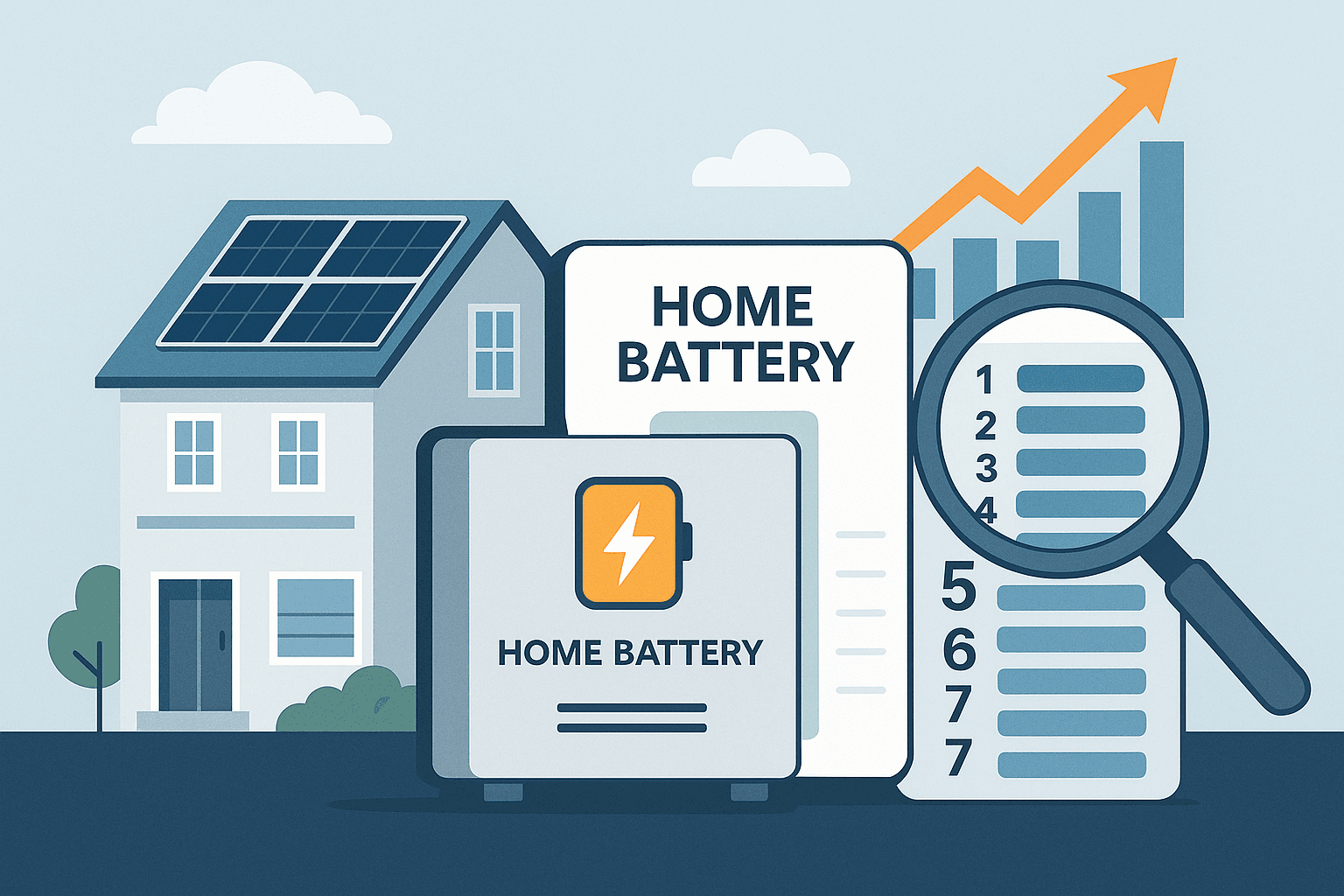
The best home battery backup systems in 2026 are the Tesla Powerwall 3 for whole-home backup and solar pairing, the Franklin Home Power for expandable capacity, (learn more about best artificial turf installation companies of 2026) (learn more about hvac maintenance services in dallas) (learn more about 7 best air conditioning repair companies in 2026 (ranked by speed, cost & quality)) (learn more about best chimney & fireplace repair companies of 2026) (learn more about best mold remediation companies of 2026: 7 top services compared) (learn more about the contractor vetting checklist: 9 red flags that separate pros from sketchy operators) and the EcoFlow DELTA Pro Ultra for a portable-to-permanent option you can install without major electrical work. The right system depends on how much of your home you want to run during an outage, whether you have solar, and your budget.
With storm seasons growing more disruptive and utility rates climbing, home batteries now do double duty: they keep the lights on during outages and shave expensive peak-rate power off your monthly bill. Below are seven leading systems ranked on usable capacity, backup power, solar integration, and value.
The Powerwall 3 combines a large usable capacity (about 13.5 kWh per unit) with a powerful built-in solar inverter, letting it run most of a typical home and charge directly from panels. Units stack for bigger homes, the app is the best in the category, and installation is streamlined. It is the benchmark everything else is measured against.
Franklin''s aPower batteries (around 13.6 kWh each) chain together easily, making them ideal for larger homes or anyone who wants to add capacity over time. The FranklinWH system manages solar, grid, generator, and battery from one hub, and its whole-home backup performance is excellent.
The DELTA Pro Ultra bridges portable power stations and permanent home batteries. It can be wired into your panel for whole-home backup yet remains modular and comparatively simple to deploy. For homeowners who want serious backup without a full solar-installer project, it is the most flexible pick.
If you already run Enphase microinverters, the IQ Battery 5P is the natural match. Its modular 5 kWh blocks let you size backup precisely, and the all-AC architecture is reliable and easy to service. Homeowners without Enphase solar will find better value elsewhere.
LG''s home batteries deliver large capacity in a single cabinet, appealing to homeowners who want substantial storage without stacking multiple smaller units. Paired with a compatible hybrid inverter, they support strong whole-home backup.
EVERVOLT offers both AC- and DC-coupled configurations, letting installers tailor it to new or existing solar. Panasonic''s reputation for battery quality and its solid warranty make it a low-worry long-term choice.
The Anker SOLIX X1 is a newer entrant offering competitive whole-home capacity and backup at an aggressive price. For budget-conscious buyers who still want expandability and solar pairing, it delivers strong value, though its installer network is smaller than Tesla''s or Enphase''s.
First decide between whole-home and partial backup. Running your entire panel — including central air — needs more capacity and power output than backing up just the essentials (fridge, lights, internet, a few outlets). Next, factor in solar: if you have or plan panels, choose a battery that charges from them so outages that last days stay covered. Finally, weigh installation. Integrated systems like Powerwall usually mean a cleaner install; modular options give you room to grow.
How long will a home battery power my house? A single 13 kWh battery typically runs essential loads for roughly 8–24 hours; whole-home use with air conditioning drains it faster. Adding batteries or solar extends runtime.
Do home batteries qualify for tax credits? Standalone battery storage has qualified for the federal residential clean energy credit; confirm current eligibility and any state incentives before buying, as rules change.
Can I install a home battery without solar? Yes. Every system here works as grid-charged backup, though pairing with solar is what keeps you powered through multi-day outages.
This article is for general educational purposes only. Verify current pricing, capacity specs, and incentives with a licensed installer before purchasing.
Compare six roofing materials by lifespan, installed cost and climate fit. See why asphalt shingles win on value and standing seam metal wins on longevity.
Read MoreCompare 8 types of roof repair providers for 2026, from manufacturer-certified contractors to local roofers, with costs, warranties and vetting tips.
Read MoreA roof inspection can cost nothing or several hundred dollars, and the difference is who is paying attention to what. We ranked eight options — independent certified inspectors, drone and aerial reports, contractor visits, and municipal programs — on independence, depth, documentation, and cost.
Read More