
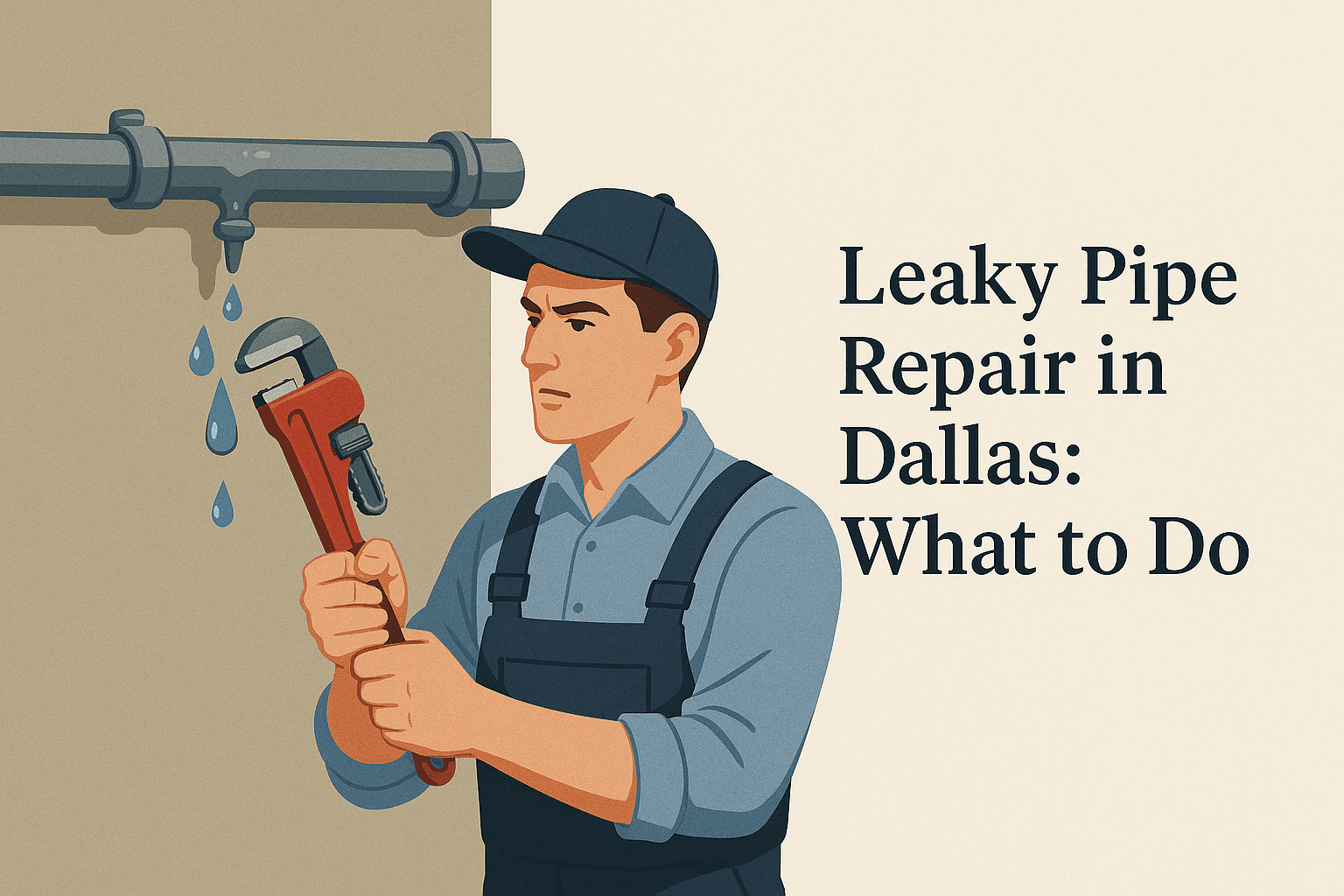
Leaky Pipe Repair in Dallas: What to Do
If you’ve discovered a leaky pipe in your Dallas home, the solution requires a prompt, professional assessment to prevent water damage and foundation issues. In our climate, with its expansive clay so...
Need Help? Call Now for Free Estimate
Speak with a local expert today
If you’ve discovered a leaky pipe in your Dallas home, the solution requires a prompt, professional assessment to prevent water damage, learn more about rodent removal services in dallas and foundation issues. In our climate, with its expansive clay soil and temperature swings, a simple drip can quickly escalate into a costly structural problem. Repairing a leaky pipe here isn’t just about stopping the water; it involves diagnosing the root cause—whether it’s corrosion from our mineral-heavy water, a joint failure from ground movement, or a puncture from invasive root systems—and executing a repair that addresses both the symptom and the underlying vulnerability. A trusted local plumber will provide a clear, durable solution after inspecting the specific pipe material, location, and extent of the damage in your home.
Why a Dallas Drip is More Than a Nuisance
A leak under your kitchen sink in Dallas is a different beast than the same leak in a home with stable soil and a temperate climate. Here’s the thing: our environment is actively working against your plumbing. The infamous North Texas clay soil expands when wet and contracts during drought, a relentless cycle that can shift your home’s foundation and stress pipe connections until they fail. Moreover, our water, drawn from reservoirs like Lake Ray Hubbard and Lake Lewisville, tends to be harder, with higher mineral content. Over years, these minerals accumulate inside pipes, accelerating corrosion in galvanized steel and even restricting flow in copper, making pipes more brittle and prone to springing pinhole leaks.
Consider this scenario common in older neighborhoods like Lakewood or Winnetka Heights: a homeowner notices a slight drop in water pressure and a faint musty smell in a bathroom. They might dismiss it for weeks. Meanwhile, a small leak from a corroded elbow joint in the wall is slowly saturating the sheetrock and, more critically, dampening the soil beneath the slab foundation. By the time a damp spot appears on the baseboard, the repair has evolved from a simple pipe fix to a project potentially involving drywall, flooring, and foundation mitigation. This progression isn’t alarmism; it’s the pragmatic reality of deferred plumbing maintenance in our specific geology.
The Anatomy of a Leak: Diagnosis Before Repair
A professional plumber’s first job is to play detective. The visible water is merely a clue; the true source and cause must be uncovered. Repairs fall into broad categories, each with its own context.
The Pinhole Leak in Copper Pipes: Common in homes built from the 1970s through the 1990s, this often appears as a tiny, high-pressure spray. The cause is frequently localized corrosion, sometimes exacerbated by our water chemistry or improper electrical grounding that causes electrolysis—where stray currents literally eat away at the metal. The repair isn’t just about soldering a patch; it’s about checking for other weak spots in the system and ensuring the home’s electrical grounding is correct to prevent a recurrence.
The Failed Joint or Fitting: Whether it’s a loose compression fitting under a sink in Uptown or a soldered joint that’s cracked due to foundation movement in Preston Hollow, joint failures are often sudden. The repair must assess why the joint failed. Was it improper installation, physical stress, or thermal expansion and contraction from our hot summers? A quality repair will address the stressor, perhaps by adding a flexible supply line or properly securing pipes to allow for movement.
The Corroded Galvanized Steel Pipe: In historic districts like the M Streets, original galvanized water lines are still in service. They rust from the inside out, so a leak is often just the first sign of systemic failure. Spot-repairing a section of galvanized pipe is often a temporary fix at best. The professional analysis here will likely discuss the merits and projected cost of a full or partial repipe with modern materials like copper or PEX, framing the leak as a symptom of a larger, aging system.
The Leak at the Main Shut-Off or Water Heater: These are critical infrastructure points. A leak at the main shut-off valve, often located near the foundation in the front flower bed, can erode soil and affect foundation stability. A leak from the temperature and pressure relief valve on your water heater in Garland or Richardson might indicate an over-pressurized system or a failing heater. These repairs carry implications for the entire home’s water system and safety.
The Professional Repair Toolkit: From Slip Fixes to Trenchless Technology
Once diagnosed, the repair method is chosen for durability and minimal disruption. The days of necessarily tearing open walls or digging up entire yards are often over.
For accessible leaks in copper or CPVC pipes, a section repair is standard. The damaged piece is cut out and replaced with a new section, using soldered, glued, or press-fit connections. Epoxy pipe lining is an innovative, less invasive option for certain sewer or drain line issues, where a resin-saturated liner is inserted into the existing pipe and cured in place, effectively creating a “pipe within a pipe” without excavation.
For leaks under the slab foundation—a homeowner’s dread—technology has changed the game. Trenchless pipe repair or pipe bursting methods allow a new water line, often durable PEX, to be pulled through the path of the old, corroded copper line with only small access holes at each end. This avoids the cost and chaos of jackhammering through your foundation and restoring concrete and flooring. It’s a premium solution, but for a significant slab leak, it often proves more cost-effective and far less disruptive than the traditional alternative.
The right tool depends on the pipe’s location, material, and the long-term health of your plumbing system. A reputable plumber will explain these options, not just the quickest fix.
What Happens When You Call
When you contact a local Dallas plumbing service about a leaky pipe, you’re initiating a process designed for clarity and efficiency. First, the call handler will ask a few key questions to triage the situation: Is water actively spraying? Can you safely shut off the water at the fixture or the main valve? This helps determine if it’s a true emergency requiring immediate dispatch. Next, they’ll schedule a diagnostic visit. A licensed plumber will arrive, inspect the leak, and use tools like moisture meters or pipe inspection cameras if needed to assess hidden damage. They will then explain the cause, present your repair options (often with photos or diagrams), and provide a detailed, upfront quote for the work. Only after you approve the plan will they begin the repair, which typically involves shutting off your home’s water supply, completing the fix, testing it thoroughly, and cleaning the work area. The goal is to leave you with a lasting solution and the knowledge of what caused it.
Understanding Investment: The Cost of Leaky Pipe Repair in Dallas
Pricing for leaky pipe repair in Dallas is not a flat fee; it is project-based and varies significantly depending on the leak’s location, accessibility, and the repair method required. A simple repair of an accessible PVC drain line under a kitchen sink may be a straightforward investment. Conversely, repiping a section of corroded galvanized steel in a wall, or repairing a leak under a concrete slab foundation in Frisco or Plano, represents a more complex and costly project due to labor, materials, and restoration work. Material choices matter, too—PEX, copper, and CPVC have different price points and lifespans.
Most reputable plumbers provide clear, upfront quotes after their inspection. It’s wise to view this cost not merely as an expense, but as an investment in protecting your home’s value from the profound water and structural damage a persistent leak can cause. Always ensure any quote details the scope of work, materials to be used, and any necessary permits for the city of Dallas.
The Dallas Homeowner’s Guide to Prevention
While some leaks are sudden failures, many are the culmination of slow decay. You can be proactive. First, know the location of your main water shut-off valve and test it annually. If it’s stuck, have it replaced—this is your home’s most crucial flood-prevention device. During our winter freeze events, which can be severe, insulating pipes in unheated attics and crawl spaces is non-negotiable. Letting faucets drip during a hard freeze isn’t an old wives’ tale; it keeps water moving and relieves pressure in the pipes. In summer, be mindful of foundation watering schedules; consistent moisture is better than cycles of drought and deluge that stress soil and pipes alike. Finally, listen to your home. A sudden drop in water pressure, unexplained sounds in the walls, or a mysteriously high water bill are not quirks—they are your plumbing system asking for attention.
A leaky pipe is more than a plumbing issue in Dallas; it’s a call to address the intersection of your home’s systems with our unique North Texas environment. The right repair, performed by a licensed, local professional who understands these dynamics, does more than stop water. It restores integrity, prevents cascading damage, and provides the peace of mind that comes with a home that is fundamentally sound.
